Admin
November 18, 2026
How to Protect Welders from Burns During Fabrication Work
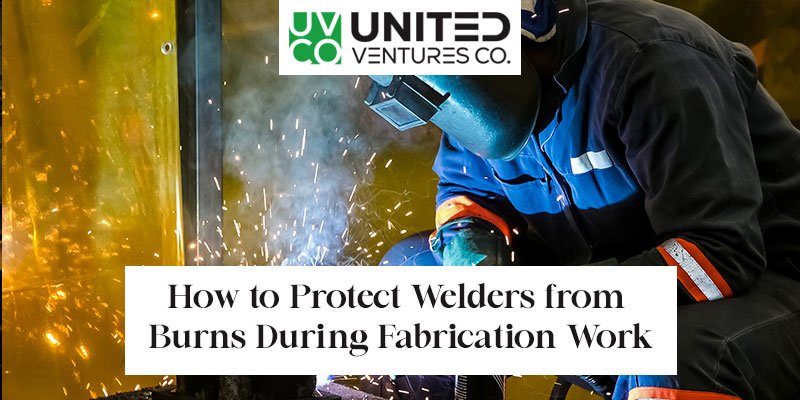
Fabrication work is one of the most important industrial tasks, requiring precision, experience, and technical skill. From joining metal components to cutting and grinding heavy materials, welders work in environments where even a small safety mistake can have serious consequences. Among workplace hazards, burn injuries are common. A flying spark, a hot metal surface and molten materials can expose workers to painful injuries.
Even experienced welders are not completely free from these risks. Grinding, metal handling, and cutting activities also expose workers to high temperatures, which cause massive fire risks. For fabrication units, investing in suitable protective clothing and FR uniforms is an important part of making a safe work environment.
Now let’s explore this blog to ascertain how to protect welders from burns during fabrication work.
How to Protect Welders During Fabrication Work
In this section, we will discuss how to protect welders during high-end fabrication work.
-
Choose flame-resistant clothing
Worker clothing directly influences protection against sparks. Regular uniforms are not suitable for a welding environment because they may melt or continue burning when exposed to extreme heat. Flame-resistant garments are designed to resist ignition and limit continued burning after the ignition source is removed.
-
Never underestimate the importance of welding gloves
A welder’s hands are constantly involved while handling tools, controlling equipment, and performing fabrication tasks. Without suitable protection, hands and fingers can be exposed to hot metal, sharp edges and radiant heat. When buying welding safety gloves, industrial units must consider heat-resistant materials, dexterity for handling tools, and proper spark resistance.
-
Protect the arms and torso with an appropriate welding jacket and apron
During welding, the upper body is often directly exposed to sparks, radiant heat, and hot metal particles. A regular cotton shirt may not provide adequate protection for welding applications when workers perform overhead welding tasks.
Welding jackets protect the welder’s arms and torso from sparks and heat exposure. During welding tasks, this type of protective equipment provides reliable coverage.
-
Do not overlook face and eye protection
Burn injuries do not always affect the hands and arms. The face and the eyes are also vulnerable during welding operations. Welding arcs produce intense ultraviolet and infrared radiation. If welders are exposed to fire without appropriate protection, it can cause eye problems and affect the exposed facial areas. Workers should also inspect their helmets, lenses, and face protection before starting each shift.
-
Invest in suitable safety footwear for hot materials
Without appropriate safety footwear, sudden exposure to hot debris can cause painful foot injuries. Welding environments also involve heavy metal components, sharp objects, and uneven surfaces, creating additional foot-related hazards. For welding applications, select footwear based on hot-particle and fire-related risks.
Conclusion
Welding and fabrication work needs careful technical skill to work within a protective area. If your industrial unit is looking for fire safety workwear, United Ventures can be your reliable choice. Consult with us to discuss your needs.
FAQ
-
What PPE do welders need to protect against burns?
A: Welders should wear task-specific flame-resistant clothing, heat-resistant gloves, protective footwear and eye protection to get protection from burns.
-
Why are flame-resistant coveralls important for welding workers?
A: Flame-resistant coveralls are designed to resist ignition and control the burning that happens for specific purposes.
-
Are leather welding gloves suitable for fabrication tasks?
A: Yes, leather welding gloves are suitable for protection against sparks and heat. However, welding glove selection mainly depends on the welding tasks and specific hazards.
-
Can flame-resistant clothing prevent welding burns?
A: No, flame-resistant clothing can reduce the risk of fire and burns but cannot eliminate all burn hazards.