Admin
April 6, 2026
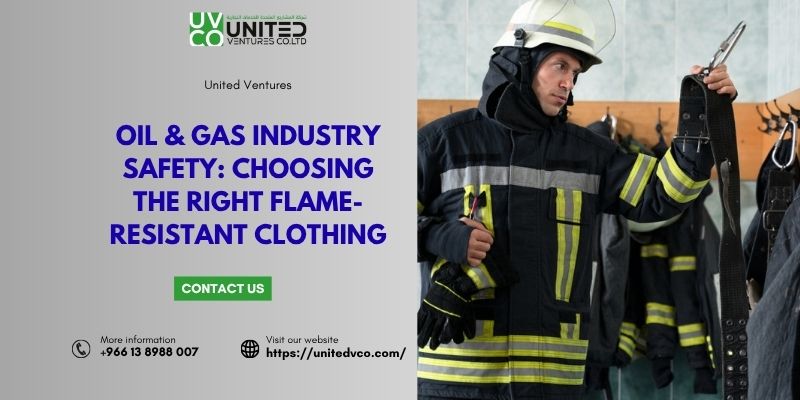
Oil & Gas Industry Safety: Choosing the Right Flame-Resistant Clothing
With the sudden changes in the geopolitical environment, safety in the oil and gas industry becomes a vital part. In the oil and gas industry, workers mainly operate in high-risk environments where exposure to fire hazards, flash fires, and explosive materials is common. In such a challenging situation, flame-resistant (FR) clothing becomes a critical layer of protection for workers against minor accidents.
To ensure your industrial brand value, choose top-notch-quality coveralls for your industrial workers. It not only safeguards workers from major industrial accidents but also protects your brand name.
Let’s dive into this blog to understand how choosing the right flame-resistant clothing benefits the oil and gas industry.
Types of Flame-Resistant Clothing in the Oil and Gas Industry
Flame-resistant clothing can be of different types depending on its level of exposure and job security. If you choose a reliable protective clothing wholesale supplier, you can access a variety of flame-resistant clothing for workers’ safety. Let’s discuss them-
1. Inherently flame-resistant fabrics
Flame-resistant fabrics are naturally flame-resistant due to their unique fiber composition. Its protection level does not wash out over time. For long-term use and high-risk environments, inherently flame-resistant fabrics are highly suitable.
2. Treated flame-resistant fabrics
It is a regular fabric type that is chemically treated to resist flames. This type of protective clothing is highly effective, but it can lose its protective properties after repeated washes. In the controlled environment with minimum risk, flame-resistant fabrics are useful.
Factors of Choosing Flame-Resistant Clothing
In the oil and gas industry, choosing flame-resistant clothing is not only useful for workers’ safety but also of great significance. Let’s discuss it-
1. Hazard assessment
At first, it is essential to assess the hazards in the oil and gas industry, and based on the assessment, the industry will determine the required protection level.
2. Compliance with safety standards
It is vital to ensure the relevant safety certifications when choosing safe, fire-resistant clothing. For a reliable, high-quality coverall uniform for oil and gas industry workers, you must verify safety compliance to ensure the clothing has been tested under real hazardous conditions.
3. Fabric quality and comfort
Heavy fabric offers better protection, but it also creates discomfort in a hot working environment. Thus, it is vital to look for breathable, moisture-wicking, lightweight yet durable fabrics for workers. When workers feel comfortable, it directly impacts productivity and ensures your profit margin.
4. Easy to maintain
Oil and gas industry workers always need easy-to-maintain protective clothing. In such a critical scenario, it resists wear and tear, maintains FR properties after multiple washes, and ensures easy maintenance.
5. Proper fittings
Loose-fitting flame-resistant clothing, such as a welding jacket, can be hazardous. Well-designed and properly fitted FR clothing allows ease of movement and includes functional pockets without compromising the quality.
Conclusion
Choosing the right flame-resistant protective clothing in the oil and gas industry is a serious matter of concern. If you work in the oil and gas industry, consider buying premium-quality protective clothing from United Ventures. We are the renowned manufacturer and supplier of top-grade protective clothing for industrial workers. You can contact us through our website to discuss your requirements.