Admin
July 27, 2026
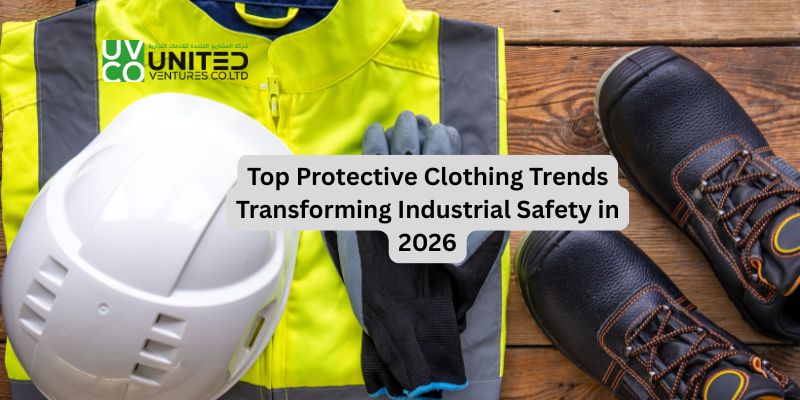
Top Protective Clothing Trends Transforming Industrial Safety in 2026
You may have already noticed that the industrial workplace is transforming at breakneck speed, with the adoption of new technologies, strict safety measures, and an ever-evolving work environment. These major changes focus on employee well-being and maintaining industrial safety. While machinery and safety precautions continue to improve, one safety feature that shows remarkable innovation is protective clothing.
Today, protective clothing no longer serves solely as a shield for workers; it also focuses on workers’ comfort, mobility, and durability. Whether you operate a manufacturing plant, chemical processing unit, construction site, or pharmaceutical unit, staying up to date with the latest industrial safety protective coveralls can create a safer and more productive workplace.
Let’s explore this blog to identify the top protective clothing trends transforming industrial safety in 2026.
Top Protective Clothing Trends for Industrial Safety
In this section, we will discuss the top trends for protective clothing, which is essential for industrial safety in 2026.
1. Multi hazards protective clothing
In many industrial jobs, workers are exposed to serious safety hazards. Instead of relying on separate garments for different risks, industrial units prefer protective clothing that offers protection against multiple workplace risks.
Modern FR Coverall is mainly designed with advanced features that offer protection against heat and flame, dust and airborne particles, chemical splashes, light mechanical risk, and industrial contamination. This unique form of protective clothing can improve workers’ confidence and ensure safe working conditions.
2. Focus on workers’ comfort
Usually, people believe that protective clothing is only for industrial safety, but modern protective clothing also offers comfort. One of the biggest trends in 2026 for protective clothing is ensuring workers’ comfort while wearing it. The lightweight fabrics, breathability, flexibility, ergonomic design, and comfortable fit encourage workers to remain productive during long shifts.
3. Industry-specific protective clothing
It is true that different industrial units require different types of protective clothing. For example, chemical plants require protective clothing designed to safeguard workers during chemical handling; the pharmaceutical industry prioritizes cleanliness while choosing protective clothing; and the oil and gas industry needs flame-resistant FR uniforms.
4. Better fitting for better safety
Loose-fitting protective clothing can reduce flexibility and cause discomfort in a harsh workplace. Thus, modern industrial safety protective garments are now designed with improved sizing to provide better mobility, reduce fabric interference, and improve working comfort.
Properly fitted clothing also helps workers to perform their jobs more efficiently without affecting the factory.
5. Improved visibility in the industrial workplace
Workers who operate in low-light environments, in road construction, in mining, and in warehouses, and who benefit from higher visibility, should be the most preferred.
In such cases, modern protective clothing increasingly incorporates high-visibility colors, reflective elements, and improved design placement. Better visibility in a coverall uniform can improve workers’ awareness and support for safe working conditions.
Conclusion
Industrial safety in 2026 focuses on meeting the minimum requirements of industrial workers and ensuring their confidence and safety in daily work. If you are planning to provide adequate protection to your industrial workers, investing in high-quality protective clothing through United Ventures can be a reliable solution. It supports operational efficiency and protects workers from massive risks.